The Eurovision Song Contest sees singer representatives from all over the world take to the stage in a bid to be crowned the winner, with the victorious country then given the honour of hosting the next year’s contest.
The Eurovision Song Contest has made a groundbreaking change to their rules for countries at war.
The annual competition sees singer representatives from all over the world take to the stage in a bid to be crowned the winner, with the victorious country then given the honour of hosting the next year’s contest.
However, organisers have now said that if any country involved in an armed conflict wins the competition, it will be ineligible to host the following year.
They also said that countries face disqualification if there’s a “sensitive geopolitical situation” that affects the “security, safety or stability of their state or immediate region.”
And, if “deemed necessary”, Eurovision organisers the European Broadcasting Union (EBU) may commission an “independent security assessment of the winner’s region”.
They added in a statement: “Following that assessment, the EBU will consult the Reference Group to determine whether the winning member is able to safely host the Contest.”
The rule change comes after this year’s Eurovision featured countries including Spain, Ireland and Slovenia staging protests over Israel’s inclusion in the competition despite their military action in Gaza.
Amnesty International had also requested that Israel be suspended from Eurovision, with Amnesty International’s Secretary General Agnès Callamard saying in a statement: “The failure of the EBU to suspend Israel from Eurovision, as it did with Russia, is an act of cowardice and an illustration of blatant double standards when it comes to Israel.
“Instead of sending a clear message that there is a cost for Israel’s atrocity crimes against the Palestinian people, the EBU has given Israel this international stage even as it continues to commit genocide in Gaza, unlawful occupation, and apartheid. The EBU is betraying the values of the Eurovision Song Contest, which include freedom from intolerance, hate speech, and discrimination.”
The decision not to exclude Israel from the 2026 competition was even more controversial considering that organisers had deemed Ukraine, who won the contest in 2022, too unsafe to host in 2023.
Instead, it was held in Liverpool, England, with the BBC working with a Ukrainian broadcaster to ensure that the show reflected Ukraine’s heritage.
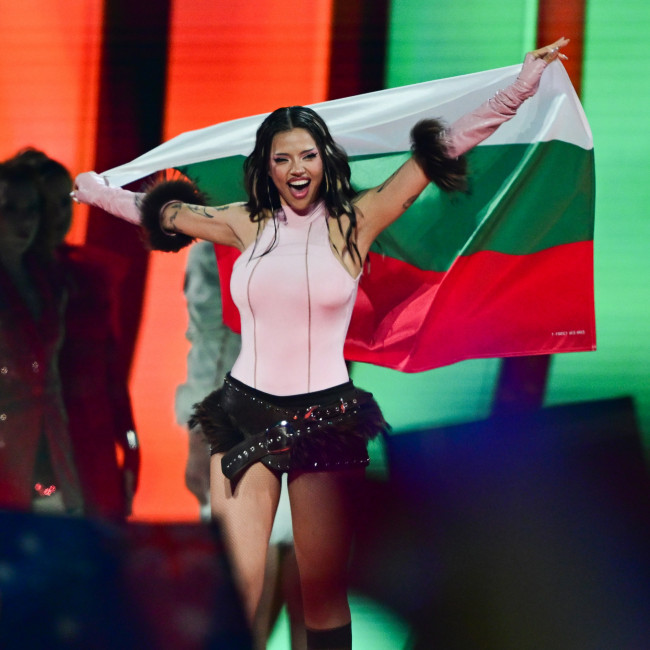
The 2027 Eurovision Song Contest will be held in Bulgaria, following singer DARA’s win this year.