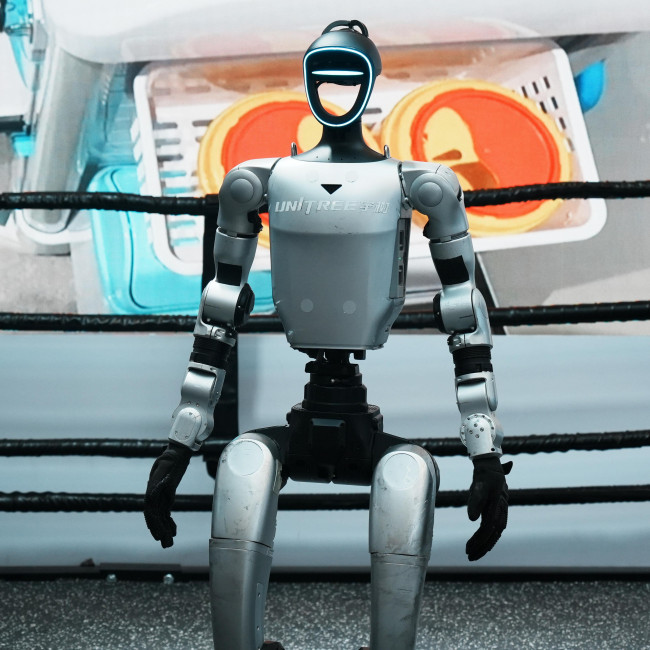
Researchers warn that AI-powered bots and deepfake technologies are distorting the UK’s music industry, leaving artists and consumers vulnerable to manipulation, scams and reduced visibility.
Musicians are being “squeezed out” and “marginalised” by artificial intelligence systems that are reshaping the music industry without sufficient safeguards, researchers have warned.
A study from Queen’s University Belfast found that artists and consumers are being “shortchanged” by the growing use of AI tools, automated bots and deepfake technology across streaming platforms, ticket marketplaces and social media.
Dr Katherine Pittalis, who led the research, said the UK’s regulatory framework is “woefully lagging behind” other regions, particularly when it comes to transparency around the use of bots and malicious automation.
The study examined so-called “metric bots”, which artificially inflate engagement figures such as likes, followers and streams.
It also explored the rise of “artificial musicians”, where deepfake technology and bots are combined to create AI-generated performers capable of building online audiences.
Researchers warned that these systems are becoming increasingly sophisticated, with bots adapting to platform rules and appearing more human in the way they interact online.
Pittalis said: “Social media platforms are incredibly secretive about the use of bots.”
She warned that automated accounts are making it harder for users to distinguish between genuine popularity and artificially generated attention.
The research also highlighted scams affecting concert ticket buyers, particularly on secondary marketplaces where fraudulent sellers use technology to target fans seeking tickets for high-demand events.
In some cases, consumers paid large sums for tickets that did not exist.
Informal buying and selling groups on platforms such as Facebook were described as highly unregulated, with some communities even relying on automated moderation systems.
Dr Pittalis said the findings painted “quite a depressing picture” for the future of the music industry.
She said: “It’s not fair. Consumers and authentic musicians are being squeezed out, marginalised by the very industry meant to support them.”
The researcher called for stronger cybersecurity measures, greater transparency from online platforms and updated legislation that can address future developments rather than reacting after problems emerge.
The study also examined the growing use of AI-generated music, with increasing calls for clearer labels to show when songs or artists are created using artificial intelligence.
Streaming platform Spotify recently announced plans to introduce AI disclosure labels for artist profiles using AI-generated personas.
Professor Giancarlo Frosio, one of the study’s supervisors, said the research showed malicious automation was “reshaping the music ecosystem” and required stronger legal duties, platform accountability and improved detection methods.
Musicians are being ‘marginalised’ from the industry by AI