The UK Government is considering restrictions on smart glasses amid concerns that camera-equipped devices are being used to secretly film women, although ministers say the technology can also provide significant benefits.
The UK Government is considering restrictions on smart glasses amid concerns that camera-equipped devices are being used to secretly film women without their knowledge or consent.
Safeguarding minister Satvir Kaur told MPs that ministers were examining options including restricting the use of the technology in certain settings and potentially limiting who can buy the devices.
She said: “The benefits of smart glasses must be weighed against the harms they can cause. The government is already looking into options to restrict smart glasses in certain settings and restricting the sale to certain users.”
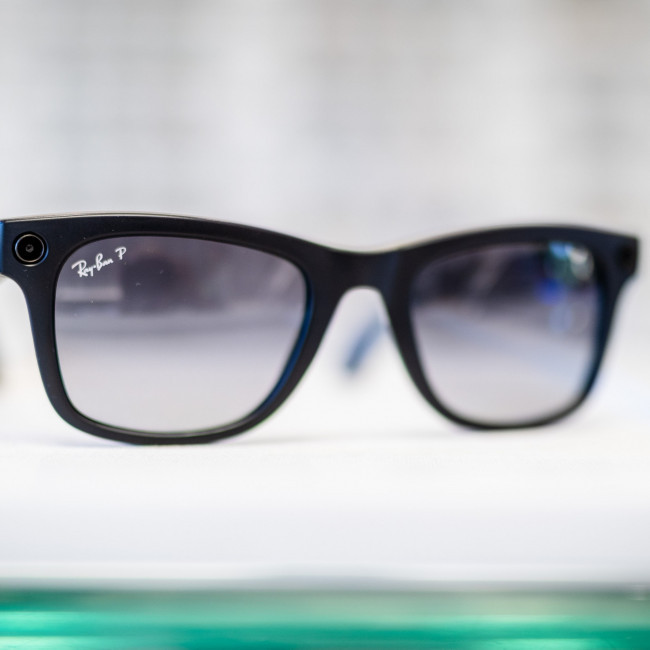
Smart glasses can include built-in cameras, microphones and displays, allowing wearers to record their surroundings while appearing to use ordinary eyewear.
Liberal Democrat MP Anna Sabine, who led a House of Commons debate on the issue, said women had reported discovering videos of themselves online after being filmed without their consent.
She said: “Women are reporting waking up after nights out to find videos of themselves have gone viral online, filmed without their knowledge or consent by men wearing smart glasses.
“To me, these devices not only have the potential to erode safety and privacy in public spaces, but raise really important questions about consent.”
Sabine also raised concerns about advertising for smart glasses, saying discreet filming was promoted as one of the technology’s selling points.
She said she did not want Parliament to “only regulate once it is too late”.
Kaur said existing laws already restrict recording in certain environments.
Cameras, for example, are prohibited in courts, while healthcare and education settings have safeguarding and professional policies covering digital recording.
She said: “NHS England and the Department for Education are currently looking into wearable technology in certain settings as well.”
However, the minister stressed that smart glasses could have significant benefits, particularly for people with disabilities.
Kaur said: “For example, for those that are visually impaired, smart glasses have been a gamechanger, helping them navigate the world around them.”
The technology is already being used in political settings.
Jason O’Connell, a Reform UK member of the Welsh Parliament Senedd, recently used smart glasses featuring a built-in teleprompter while delivering a speech in the debating chamber.
He told BBC Politics Wales: “One of the things I identified, a weakness of mine, was that my head was down looking at my notes a lot and I wanted to get away from that.”
UK Government considering smart glasses ban due to secret filming fears