Researchers warn that smart glasses are being used to secretly film women for social media, with many videos showing potential harassment and some leading to further abuse online.
Smart glasses are giving men new opportunities to secretly film and harass women in places where they would normally expect privacy, researchers have warned.
A University of Sydney study examined 350 Instagram videos posted by “pick-up” content creators between 2023 and 2026.
The videos featured men wearing camera-equipped smart glasses while approaching women in places including gyms, workplaces, shops and beaches.
Around 60 per cent of the videos showed behaviour researchers classified as potential harassment. In 43 per cent of cases, women were subjected to further exposure through derogatory comments, identification or doxxing.
Many of the women appeared uncomfortable or refused to engage, but filming and interaction often continued.
Dr Milica Stilinovic, a postdoctoral research associate at the University of Sydney, described the practice as “ambient capture”, where people can be filmed without realising it before the footage is shared online.
Dr Stilinovic said: “Smart glasses have given pickup artists a new tool to further exploit women.
“You don’t know if you’re being filmed; that footage is then uploaded, exposing you to a wider web of harassment.”
The researchers are calling on governments and technology companies to slow the rollout of smart glasses so regulators have time to address potential harms.
Dr Stilinovic said: “Tech is running at breakneck speed and regulators, a pace behind, cannot regulate harms once they’ve already manifested in the wild.”
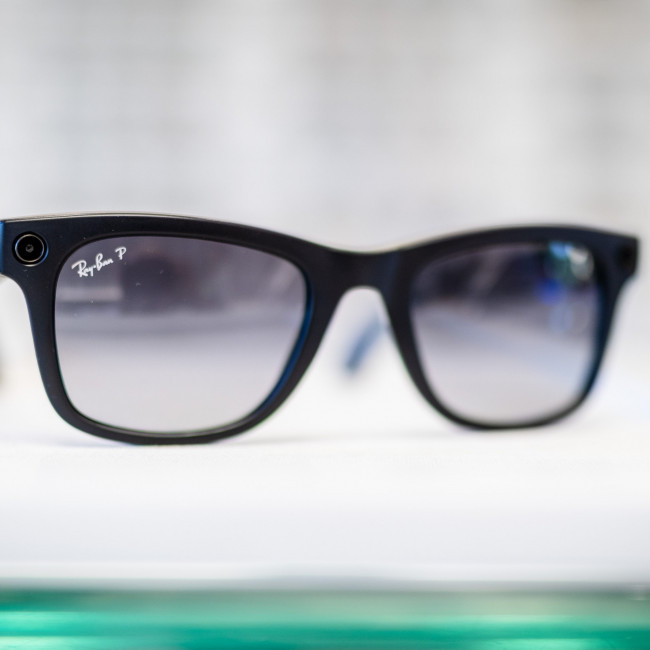
Meta, which makes Ray-Ban Meta smart glasses, said its products include a front-facing LED that lights up when the camera is recording.
The company has also introduced tamper detection that can disable the camera if the LED has been physically altered.
The tech giant said it has taken action against pick-up-style content on its platforms, following criticism over videos showing people being filmed without their consent.
The concerns extend beyond social media.
UK pub chain Wetherspoon recently banned Meta smart glasses from its venues, citing concerns over “surreptitious surveillance”.
Some schools and events have also introduced restrictions on the devices.
The UK government said recording someone in public with the intention of causing alarm or distress could constitute offences such as harassment or stalking.
It added that it was working with the Information Commissioner’s Office to ensure privacy protections keep pace with new technology.
The University of Sydney also recognises recording or sharing intimate images without consent as sexual harm, alongside voyeurism and sexual harassment.
Smart glasses give men the opportunity to ‘stalk and harass’ women in private spaces