Norway is preparing a temporary ban on camera-equipped smart glasses in a range of public places, as governments and businesses grapple with growing privacy concerns around AI-enabled wearables.
Norway is planning a temporary ban on camera-equipped smart glasses in some public places, as concerns grow internationally about people being recorded without their knowledge.
The Norwegian government plans to introduce legislation restricting the use of the glasses in parks, beaches, museums, shopping centres, schools, nurseries, healthcare facilities, gyms and public events.
Private use of the technology would remain permitted under the proposed rules.
Torgeir Micaelsen, Norway’s minister of digital affairs, said he was concerned that powerful new technology could allow people to be photographed, filmed or recorded without their knowledge.
He said: “We do not want a society where people worry about being recorded without their knowledge.”
Norway’s Labour-led minority government will need support from other parties to pass the legislation.
It plans to submit the bill “as soon as possible”, while an expert group develops longer-term regulations.
The proposed restrictions come amid a growing patchwork of rules governing smart glasses around the world.
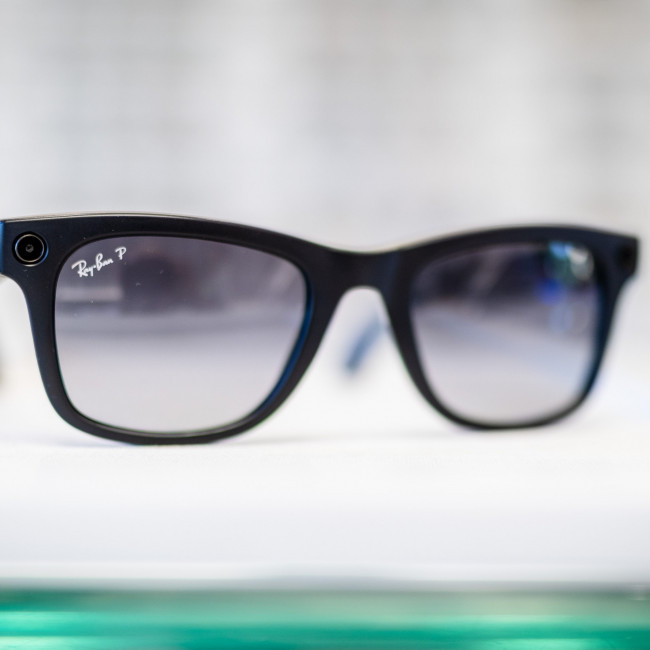
Meta sells camera-equipped Ray-Ban and Oakley glasses that can take photographs, record video, make calls, play music and respond to AI commands.
The company says it has sold at least nine million pairs of its Ray-Ban smart glasses since the beginning of 2023.
In the UK, some restaurants and pubs have already introduced restrictions, while cinemas have moved to ban or limit their use over privacy and film piracy concerns.
Courts in England and Wales have also prohibited the technology.
California Governor Gavin Newsom last week vetoed legislation that would have penalised people for using smart glasses to record others without permission in places such as changing rooms and doctors’ offices.
Concerns have also emerged in France.
Child welfare group E-enfance said it had received around 20 reports this year of women allegedly being filmed without their knowledge using camera-equipped glasses, most involving Meta’s devices.
Meta insists its glasses include a tamper-resistant LED that flashes when photographs or videos are being recorded.
The company says the light cannot be disabled and the camera is deactivated if someone covers or interferes with it.
A Meta spokesperson said the glasses remained popular for functions including music, calls and live translation.
The spokesperson said: “Every pair with a camera has a bright light on the front that blinks when you take a photo or video.”
Norway’s proposed restrictions highlight a growing challenge for governments: balancing the potential benefits of wearable AI with the expectation that people should be able to move through public spaces without being recorded.
Norway planning temporary ban on smart glasses in public places