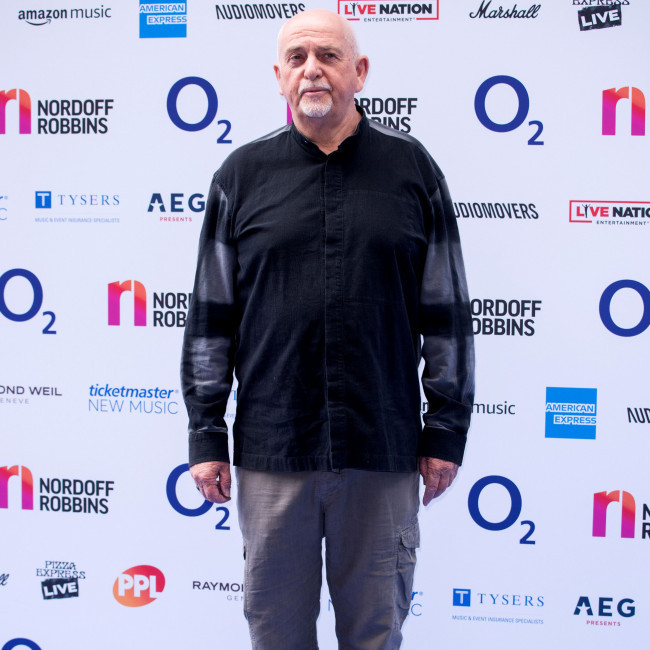
Morten Harket has insisted his Parkinson’s disease diagnosis wasn’t “devastating” and has given him a new “appreciation” for the way human beings function.
Morten Harket has insisted his Parkinson’s disease diagnosis wasn’t “devastating”.
The A-ha frontman revealed last year he had been diagnosed with the progressive neurological condition – which affects mood, movement, sleep and other bodily functions – in 2022, and he has gained a “new appreciation” for the way human beings function and learned not to take things for granted after using old recordings of his voice for his new album, Human Grace, because he doesn’t have the “skilled tools” he used to.
He told The Guardian newspaper: “It’s an exploratory process, the activity of making new music. It’s about quieting yourself, being available to hear tiny little differences in vibes, to pick up a seed that will blossom into something – and then it goes from being nothing to becoming a thing, instantaneously. That has never changed for me. With A-ha, there wasn’t much time and peace for songwriting. Being the frontman takes a lot of focus.
“What has changed is my access to the skilled tools – singing and guitar – due to the Parkinson’s medication side-effects. For this album, we found old recordings of my voice, some from over 10 years back.
“It hasn’t been devastating for me to get this diagnosis – it has been a blunt and impactful instrument to stop everything I was doing. I had to reassemble myself first, to understand what it is.
“Losing access to parts of myself I’ve taken for granted all my life, but also a new appreciation for the architecture of ourselves as an organism – it’s so impressive. It’s mind-blowing.”
The 67-year-old singer “hates” being famous and experienced a “profound personal loss” when he became a household name because it changed his life so much.
Asked what has remained unchanged about him over the years and what he’s had to let go of, Morten reflected: “I suppose I would say my heart. I possess a kind of … naivety, at the base of my system, that is linked to the purity of the essential emotional being, and that influences all the things that I’m doing.
“There’s only ever been one big change for me: fame. From being an actual member of society, to having that revoked when instant fame hit me. It’s a colossal change, a profound personal loss, surpassed only by that of losing a loved one. I hate fame, but I love people, and the potential in us.
“But I don’t like people, or the human race, very much, because we keep on making the same primitive mistakes, and in the end you lose patience for that. But I love the potential of what we can do, that spark in people, young or old. That moves me a lot.”
Morten Harket gained a ‘new appreciation’ following Parkinson’s diagnosis