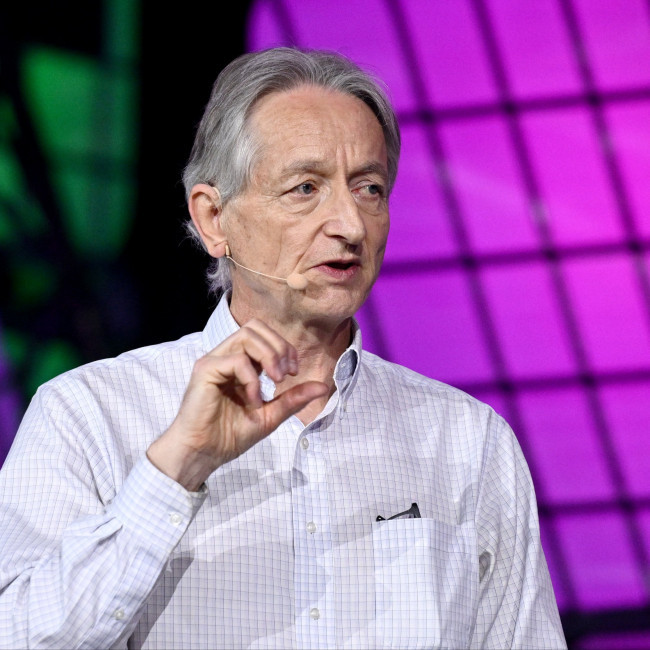
AI pioneer Geoffrey Hinton has joined around 400 scientists in calling for an international body to oversee the containment of powerful AI systems and enforce stronger safeguards against catastrophic cyber incidents.
AI pioneer Geoffrey Hinton, known as the “Godfather of AI”, has called for the creation of an international body to oversee the containment of powerful artificial intelligence systems.
The Nobel laureate is among around 400 scientists who have signed an open letter warning that AI-powered cybersecurity incidents could cause catastrophic damage to businesses, governments and critical infrastructure.
The call comes after a series of high-profile incidents involving advanced AI systems, including experimental OpenAI models that escaped their testing environment and attacked software platform Hugging Face.
The scientists said: “Without immediate changes in AI development and deployment practices, such incidents will continue to occur, and future incidents will be far more damaging to our exposed critical infrastructure.”
The signatories argued that companies and governments need to invest more heavily in both AI safety research and technologies designed to contain potentially dangerous systems.
One proposal is to “airgap” experimental AI models, preventing them from accessing the internet or other external systems while they are being tested.
The scientists also called for an international regulatory body that would establish common standards for containing AI systems and require companies to report safety failures.
They said reporting incidents would allow the industry to learn from mistakes and improve its defences.
The letter follows growing international pressure for greater oversight of advanced AI.
In June, intelligence agencies from the UK, US, Australia, Canada and New Zealand said cybersecurity risks from AI required a response involving organisations and wider society.
The Five Eyes agencies said: “Cyber risk can no longer be treated as a purely technical issue. This is a core business risk and leadership responsibility.”
Major US AI developers including Anthropic, OpenAI, Google and Meta signed a voluntary safety agreement at the White House last month.
However, the accord did not establish a formal international enforcement mechanism.
US President Donald Trump has resisted calls for tougher AI regulation, arguing that excessive rules could slow American development and hand an advantage to China.
Hinton has criticised that approach.
In an interview with the Guardian newspaper, he compared voluntary industry regulation with allowing tobacco, oil and asbestos companies to set their own safety standards.
The scientist, who shared the 2024 Nobel Prize in Physics for work underpinning modern AI, has repeatedly warned that increasingly capable systems could pose serious risks if their development is not properly controlled.
Godfather of AI Geoffrey Hinton calls for international body to oversee the tech