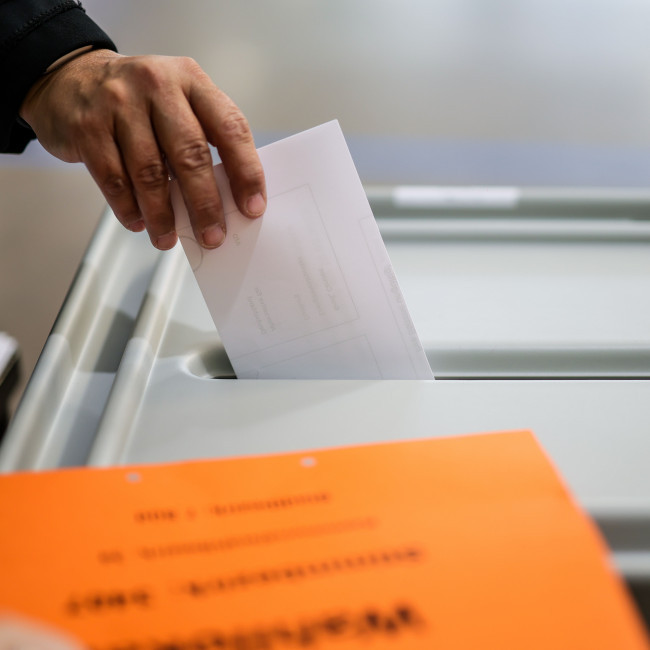
A new study has found that popular AI chatbots frequently provided inconsistent and inaccurate political guidance during Hungary’s parliamentary election, raising concerns over their use in electoral decision-making.
AI chatbots can provide voters with inaccurate, inconsistent and unreliable advice when asked which political party they should support, according to new research examining their performance during Hungary’s parliamentary elections.
A study published by civil liberties group Liberties found that general-purpose AI systems often recommended incorrect parties, failed to mention relevant political groups or suggested parties that were not even competing in the election.
The report concluded: “The results raise serious concerns about the reliability of general-purpose AI systems in electoral contexts.”
Researchers tested two of the most widely used AI assistants, ChatGPT and Gemini, using fictional voter profiles based on the policy positions of parties competing in Hungary’s 2026 parliamentary election.
The profiles were created using information from Voksmonitor, a Hungarian voting advice platform.
Each profile was submitted to the AI systems multiple times, with researchers asking both for direct voting recommendations and percentage-based matches between voters and parties.
One of the most notable findings involved the opposition Tisza party, led by Péter Magyar, which won a decisive victory over Viktor Orbán’s long-ruling Fidesz party.
When researchers provided ChatGPT with a voter profile aligned with Tisza’s policies, the chatbot failed to recommend the party in 90 per cent of cases.
In comparison, Fidesz-aligned profiles were identified much more consistently, with ChatGPT recommending the governing party directly in around half of tests.
The researchers stressed that the study does not show AI influenced the election result, but warned that inaccurate recommendations could have consequences in closer contests where voters are undecided.
Researchers also found major inconsistencies between repeated tests using identical prompts. In 96 per cent of responses from ChatGPT and Gemini, the systems mentioned parties that were not on the national ballot.
The report suggested the problems could be linked to gaps in training data, moderation systems and language-processing limitations.
Tisza’s rapid rise after 2024 may have also made it harder for AI systems relying on older information to accurately understand the political landscape.
Liberties warned that existing European regulations may not fully address the risks posed by AI chatbots offering political advice.
The group argued that providers should not offer personalised voting recommendations unless they can guarantee transparency, accuracy and accountability.
Eva Simon, head of Liberties’ technology and rights programme, said: “General-purpose AIs should not present opaque and unstable political matching as if it were reliable electoral guidance.”
AI chatbots give ‘inaccurate and unreliable’ voting advice